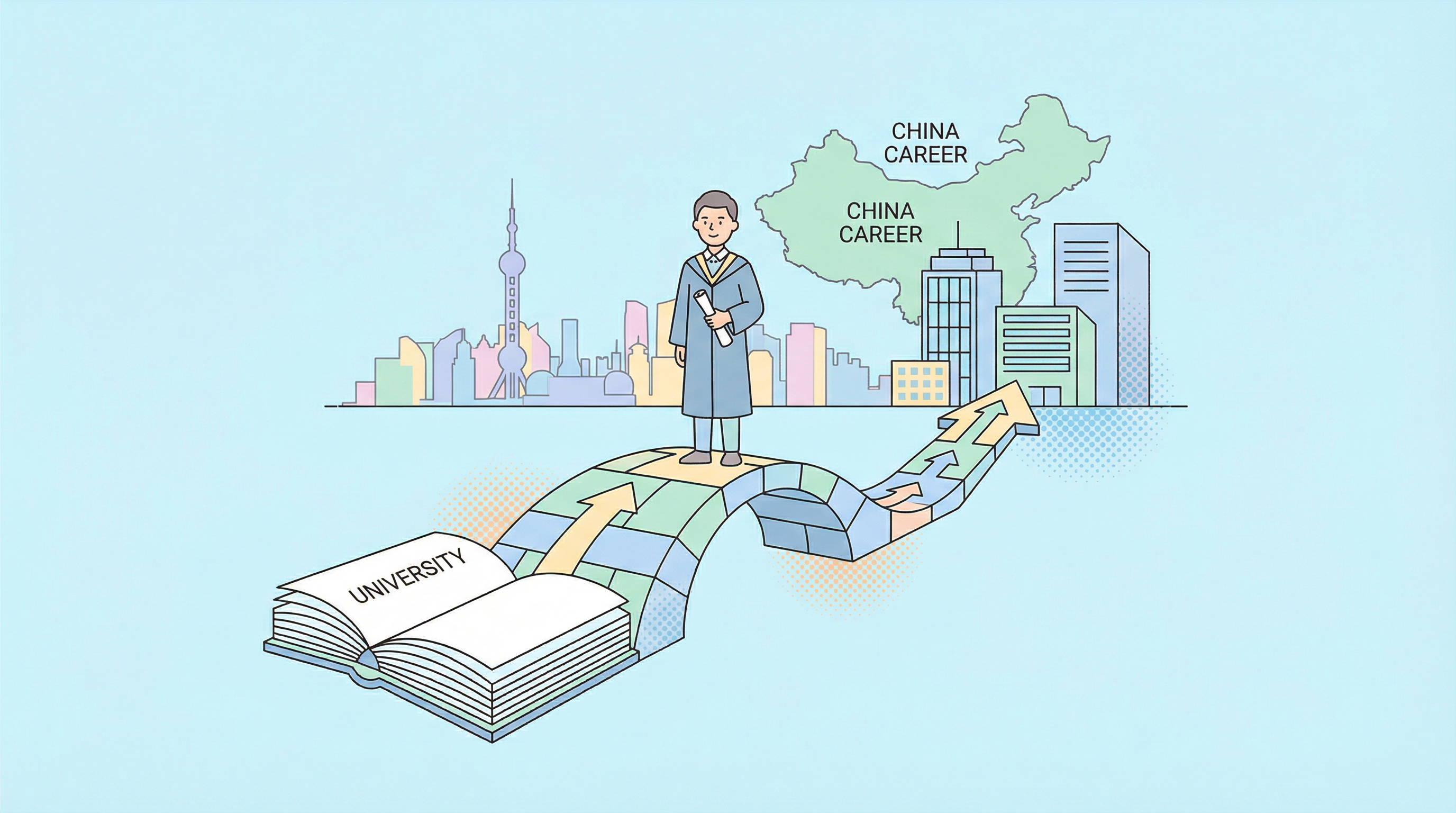
China Is Cutting University Majors: What International Students Need to Know
Daniel
Published On
6/24/2026
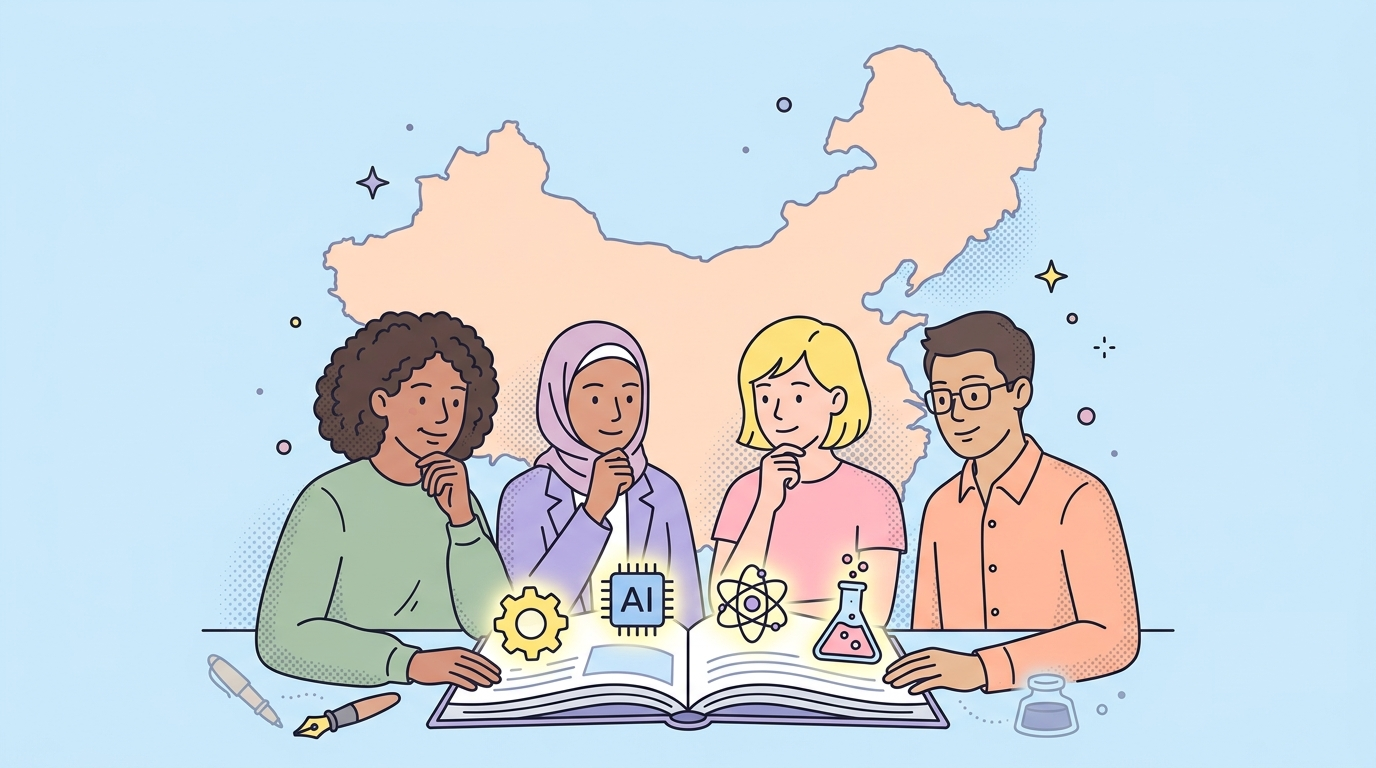
If you are planning to study in China, you may have seen the headlines: Chinese universities are scrapping degree programs by the hundreds. Far from a sign of decline, this is one of the most ambitious higher-education reforms in the world right now — and it has direct consequences for which major you should choose and how employable your degree will be after graduation.
Here is a clear, practical breakdown of what is happening, why, and what it means for international students.
What exactly is China doing?
China’s Ministry of Education (MOE) is carrying out a sweeping restructuring of undergraduate “majors” (known in Chinese as zhuanye, 专业). Every year, the MOE updates its official catalogue of approved undergraduate programs: it adds new majors aligned with national priorities and withdraws existing ones that are oversupplied, duplicated across too many universities, or no longer lead to jobs.
In 2023, the MOE and four other government departments released a reform plan setting an explicit target: to adjust or optimize roughly 20% of all undergraduate major offerings by 2025. That is not a tweak — it is a structural overhaul of what Chinese universities teach.
The numbers behind the reform
- A record wave of cuts. In the most recent adjustment cycle, Chinese universities withdrew more than 1,600 individual program offerings in a single year — the largest number on record.
- New fields added every year. At the same time, the MOE keeps introducing brand-new majors to the national catalogue — recent additions include programs tied to artificial intelligence, the “low-altitude economy” (drones and advanced air mobility), marine resource development, and biomanufacturing.
- A moving target. Because a “program offering” is counted per university, a single major can be cut at dozens of schools at once. The catalogue is now refreshed aggressively each year rather than left static for a decade.
Why is China cutting majors?
The reform is driven by three forces:
- Employment outcomes. Programs that consistently produce graduates who struggle to find relevant work are prime candidates for elimination. The goal is to close the gap between what universities teach and what the labor market actually needs.
- National strategy. China is channeling talent toward advanced manufacturing, semiconductors (integrated circuits), AI, new energy, and biotech — the sectors central to its long-term economic plans.
- Oversupply and duplication. When hundreds of universities all offer the same generic program, quality drops and graduates flood the same crowded job market. Trimming duplicates is meant to raise standards.
Which majors are shrinking?
The programs most often withdrawn tend to be broad, generic, or saturated fields with weak employment links. Across many institutions these have included certain public administration, information management, generalist business and marketing, some textile and clothing design, and a number of standalone foreign-language and arts programs that too many schools were offering at once.
Important nuance: a major being cut at some universities does not mean the subject is “dead.” It often means the field is being consolidated into stronger, better-resourced departments or merged into interdisciplinary programs.
Which majors are growing?
The expansion side of the reform is where the opportunity lies. Fast-growing, well-funded fields include:
- Artificial intelligence and data science
- Integrated circuits / semiconductors and microelectronics
- New energy, batteries, and new materials
- Biomanufacturing, biomedicine, and biomedical engineering
- Robotics, intelligent manufacturing, and the low-altitude (drone) economy
- Elderly care, public health, and applied medical fields
What this means for international students
This reform is genuinely good news if you choose wisely — and a risk if you do not. Here is how to read it:
- Pick growth-aligned fields. Majors that China is actively expanding tend to come with better funding, newer labs, stronger industry ties, and clearer career paths — including in many of the English-taught programs open to international students.
- Check that your exact program still exists. Before you apply, confirm that the specific major at the specific university is still active in the latest catalogue. A program that looks great on an old brochure may have been merged or withdrawn.
- Scholarships follow strategy. Funding such as the Chinese Government Scholarship (CSC) increasingly favors STEM and strategically important fields. Aligning your major with national priorities can improve both your admission and your scholarship odds.
- Employability is the new filter. The whole reform is built around graduate employment. Choosing a future-proof major means your degree is more likely to hold value — in China and back home.
How to choose a future-proof major in China
- Start from the destination, not the subject. Decide what kind of work and industry you want, then choose the major that leads there.
- Verify the program is current. Confirm it appears in the most recent MOE catalogue and is still offered at your target universities.
- Favor strategic and interdisciplinary fields. “AI + X” and engineering-adjacent programs are where investment is flowing.
- Match it to funding. Cross-check your major against the scholarships you are targeting.
The takeaway: China is not closing its doors — it is rebuilding what is behind them. Students who choose majors aligned with where the country is investing will graduate with stronger, more relevant, and more fundable degrees than ever before.
How EtudeSups can help
Navigating a catalogue that changes every year is exactly where guidance matters. At EtudeSups, we help international students choose future-proof majors, verify that programs are still active, match degrees to scholarships like the CSC, and build applications that align with China’s priorities. Explore our services or book a consultation to find the right major for your goals — before you apply.